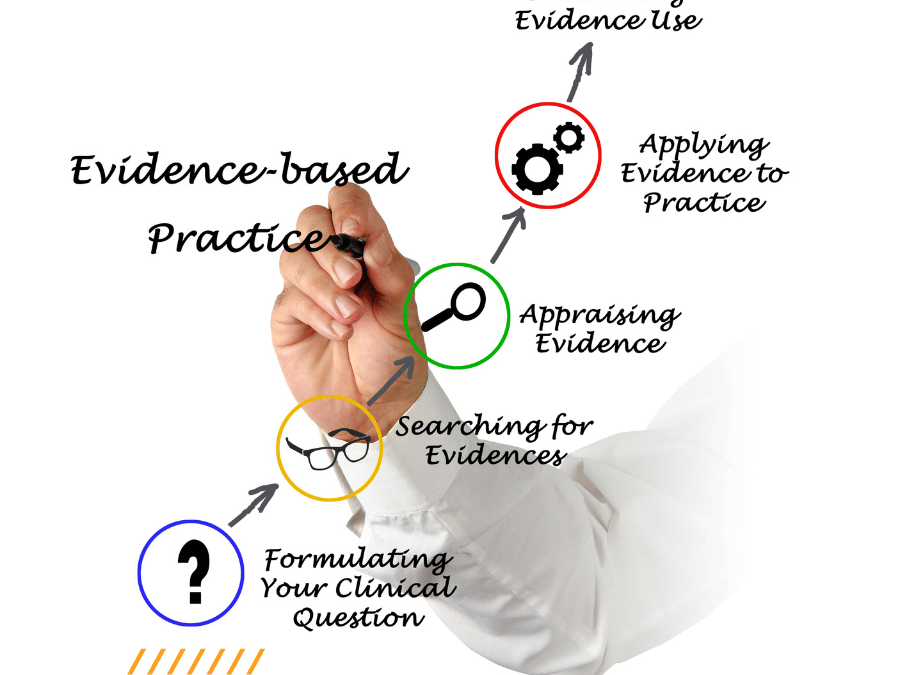
The Analytical Thinking and Evidence-Based Decision-Making program strengthens critical thinking, logical reasoning, and structured problem-solving skills. It prepares professionals to evaluate information, assess evidence, challenge assumptions, and make objective decisions that support strategic and workplace performance.
The program covers evidence evaluation, data assessment, pattern recognition, risk identification, alternative analysis, and decision-making techniques. Learners develop practical approaches to analyze information, evaluate options, and apply evidence-based thinking to workplace and strategic challenges.
| Area | Description |
|---|---|
| Program Focus | Analytical thinking and evidence-based decision making |
| Core Skills | Critical thinking, logical reasoning, analysis, and problem-solving |
| Evidence Evaluation | Assessing information, data, and supporting evidence |
| Decision-Making | Comparing alternatives and selecting appropriate solutions |
| Risk Assessment | Identifying risks, assumptions, and potential consequences |
| Problem-Solving | Applying structured approaches to complex workplace challenges |
| Strategic Application | Supporting planning, business analysis, and strategic decisions |
| Professional Benefit | Improves confidence, objectivity, and decision quality |
| Target Audience | Managers, leaders, analysts, and business professionals |
| Career Development | Strengthens analytical and decision-making capabilities across professional roles |
Berkeley School of Business, Arts & Sciences
Vision
To develop professionals who can think critically, evaluate evidence, and apply structured analytical approaches to make informed and effective decisions.
Mission
The mission of Analytical Thinking and Evidence-Based Decision Making is to strengthen critical thinking, problem-solving, data evaluation, and logical reasoning skills. Furthermore, the program helps learners assess evidence, evaluate alternatives, identify risks, and make objective decisions. Therefore, it supports professionals in applying evidence-based approaches to workplace, strategic, and business challenges.
The Analytical Thinking and Evidence-Based Decision-Making program is suitable for learners from diverse academic and professional backgrounds who want to strengthen their analytical and decision-making skills. No specific academic qualification is generally required.
It is particularly suitable for:
Furthermore, basic communication, reasoning, and workplace knowledge can be beneficial. Therefore, the program is accessible to both experienced professionals and individuals seeking to develop stronger analytical capabilities.
Learn the fundamentals of analytical thinking andCovers the fundamentals of analytical thinking, logical reasoning, and structured problem-solving. Learners develop skills in problem identification, root cause analysis, hypothesis-driven thinking, and effective question framing. The day also builds data literacy, focusing on data types, evidence quality, interpretation of trends, and avoiding common analytical errors. its application to problem-solving and decision-making.
Focuses on applying analytical tools and decision models such as SWOT, cost–benefit analysis, decision trees, and risk assessment. Learners examine cognitive biases, ethical judgment, and evidence-based decision practices. The day emphasizes communicating insights, handling stakeholder challenges, and applying learning through a capstone case study and personal action planning.
Characteristics of effective analytical thinkers
Logical reasoning and structured problem-solving
Systems thinking and interdependencies
Introduction to decision-making frameworks
Root cause analysis (5 Whys, Fishbone Diagram)
Framing effective analytical questions
Hypothesis-driven thinking
MECE principle (Mutually Exclusive, Collectively Exhaustive)
Data sources and data quality assessment
Reliability, validity, and relevance of evidence
Interpreting charts, trends, and basic statistics
Common data pitfalls and misinterpretations
Cost–benefit analysis and break-even analysis
Decision trees and probability-based decisions
Risk assessment and sensitivity analysis
Prioritization tools (Pareto, Eisenhower Matrix)
Emotional vs. rational decision-making
Groupthink and organizational bias
Debiasing techniques and structured challenge methods
Ethical considerations in evidence-based decisions
Integrating data, judgment, and experience
Making decisions under uncertainty
Trade-offs, constraints, and opportunity cost
Decision documentation and justification
Decision accountability and governance
Turning analysis into insights
Data storytelling for decision-makers
Structuring recommendations and executive summaries
Visual presentation of evidence
Handling challenge and pushback
End-to-end decision case study
Group analysis and decision presentation
Lessons learned and best practices
Developing personal decision improvement plans
Embedding evidence-based thinking into daily work
Berkeley offers expertly developed learning materials tailored to meet participants' needs, ensuring comprehensive coverage of the syllabus and optimal exam preparation.
‣ Tailored Material: Guides are designed to cover the entire syllabus, offering full preparation and deep understanding.
‣ In-Depth Content: Unlike superficial outlines, our materials provide fully developed theories and concepts, equipping participants with complete knowledge.
‣ Strategic Study: We help participants prioritize study time by indicating the weight of each topic, allowing efficient focus on crucial areas.
‣ Difficulty Levels: Topics are labeled as "Awareness" or "Proficiency," guiding participants to allocate time based on the required depth of knowledge.
‣ Comprehensive Coverage: Our materials include detailed theory and a glossary of technical terms to clarify complex concepts.
‣ Effective Learning Techniques: Visual aids and memorization techniques ensure long-lasting retention, helping candidates succeed.
Berkeley’s methodologies equip participants with the essential knowledge and tools for both exams and future success.
Our lecture plan integrates structured learning with interactive teaching methods, promoting engagement and collaboration. This approach ensures a comprehensive understanding of concepts, fostering critical thinking and practical application in real-world scenarios.
Practice sessions offer hands-on experience through guided exercises, enhancing skills and reinforcing knowledge. This practical approach ensures mastery of concepts, promoting.
Mock examinations simulate real test conditions, providing valuable practice and assessment. This helps identify strengths and weaknesses, ensuring thorough preparation and boosting confidence for actual exams.
Evaluates and ensure the quality of the training program and all its deliverables. This is measured through the following indicators:
‣ Instructors' experience and style in presenting and explaining topics.
‣ Variety and balance of teaching methods (such as discussions, case studies, mock exams and videos) used in the course to ensure retention and to match the learning objectives.
‣ Level of interactivity.
‣ Feedback from program participants
‣ Full compliance with Institute standards and guidelines for preparation and study requirements and methodology.
‣ Progress reports from the training program provider.
Ideal for disciplined learners who prefer flexibility
Learn from expert instructors in real-time
Personalized, intensive learning experience
“As a strong advocate for education and human development, I commend Berkeley for its exceptional commitment to empowering future leaders. The institution stands as a symbol of excellence, innovation, and opportunity. Students who walk its halls are nurtured with knowledge, values, and vision—qualities that contribute to building a stronger and more prosperous future for our nation.”
- H.H. Shaikh Khalifa Al Hamid
‣ Exclusive Networking Events: Access invitations to industry-leading events and thought-leadership gatherings featuring renowned speakers.
‣ Monthly Updates: Stay informed with a newsletter highlighting the latest research, events, and activities from the school.
‣ LinkedIn Community Access: Join the Executive Education LinkedIn group for networking and professional development opportunities.
‣ Educational Discounts: Enjoy a 20% discount on open-enrollment programs and access to workshops focused on emerging trends.
‣ Global Alumni Network: Connect with a diverse alumni community through the Berkeley School’s online network and engage in country and interest groups.
The Analytical Thinking and Evidence-Based Decision-Making program is a valuable professional program for business analysts, managers, team leaders, project managers, consultants, entrepreneurs, executives, and business professionals seeking to strengthen critical thinking, problem-solving, evidence evaluation, risk assessment, strategic analysis, and informed decision-making skills.
UK: £35,000–£80,000+ per year
Middle East: AED 120,000–350,000+ per year
USA: USD 55,000–130,000+ per year
Asia & Africa: Competitive salaries based on experience, industry, organizational size, management responsibilities, analytical capabilities, strategic decision-making skills, and professional expertise.
Upon completing Analytical Thinking and Evidence-Based Decision Making, learners can progress towards programs that strengthen business analysis, leadership, strategy, project management, and data-driven decision-making. Furthermore, Certified Business Analysis Professional can help develop advanced business analysis and problem-solving capabilities.
Moreover, learners interested in management can progress to the Level 3 Diploma in Business Management or Level 7 Diploma in Business Strategy, subject to the relevant entry requirements. In addition, Executive Leadership and Strategic Thinking can further develop strategic leadership and decision-making skills.
For professionals interested in data-driven decisions, Certified Data Analyst Professional provides a pathway into more specialized data analysis. Furthermore, Business Intelligence: Data Analysis and Reporting Techniques can strengthen the ability to interpret data and generate actionable business insights.
For project-focused progression, learners can explore PMP - Project Management Professional. Additionally, the Certified Business Analysis Professional pathway can complement analytical thinking with structured business analysis practices.
For authoritative professional development resources, learners can also explore the Association for Project Management (APM) and International Institute of Business Analysis (IIBA).
Therefore, a suitable progression pathway is Analytical Thinking → Business Analysis → Data Analysis → Strategic Management → Leadership and Professional Development.
You will get a certificate of completion, which is highly reputed and accepted by employers
Widely applicable across sectors like business, healthcare, education, and technology.
Enhances decision-making skills valued in leadership, analysis, and strategic roles.
Increasing demand for data-driven decision-makers in AI, analytics, and digital transformation.
Builds a strong foundation in critical thinking, data interpretation, and logical reasoning.
Equips learners with tools like statistical analysis, decision models, and data visualization.
Contact Us