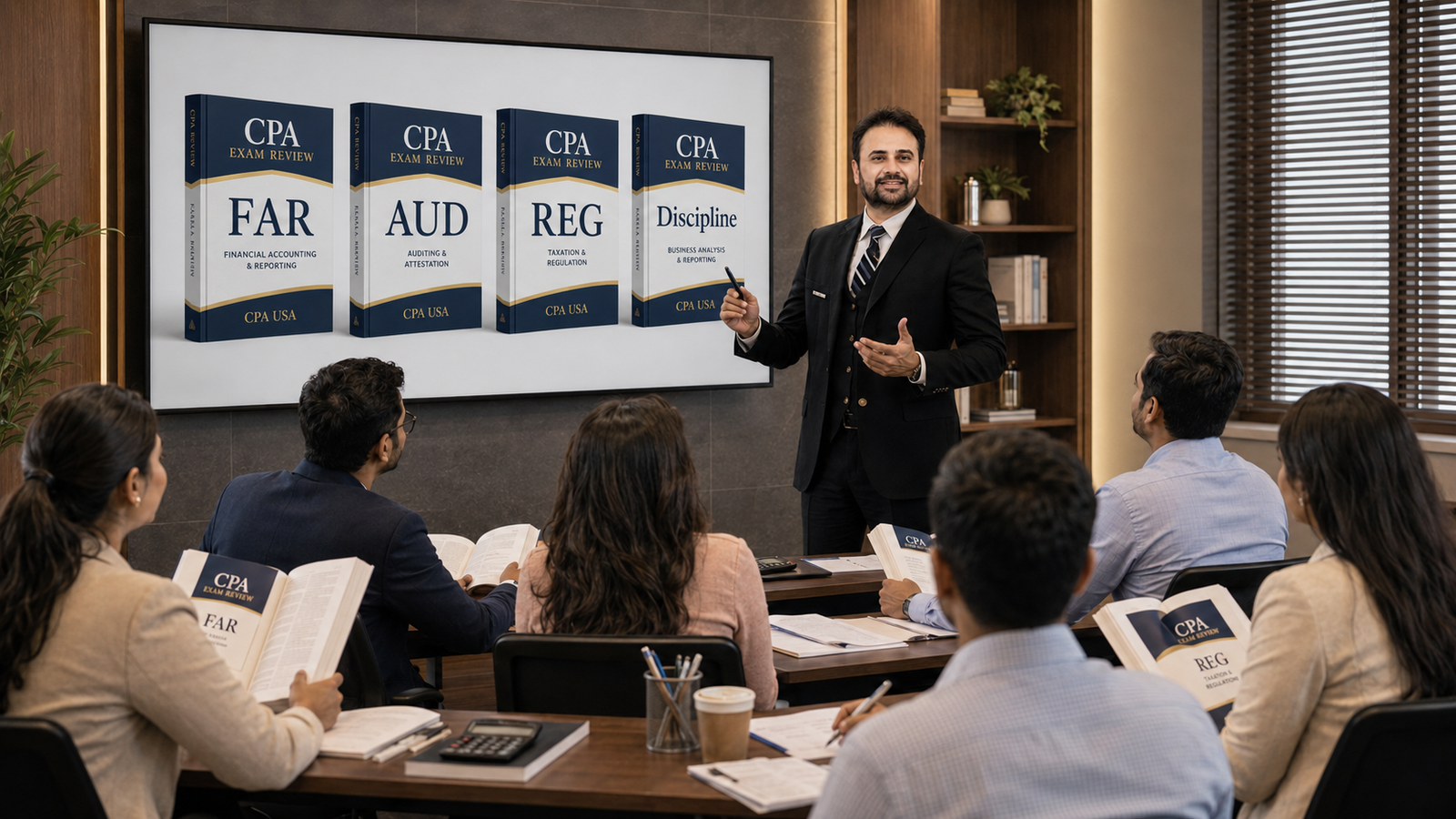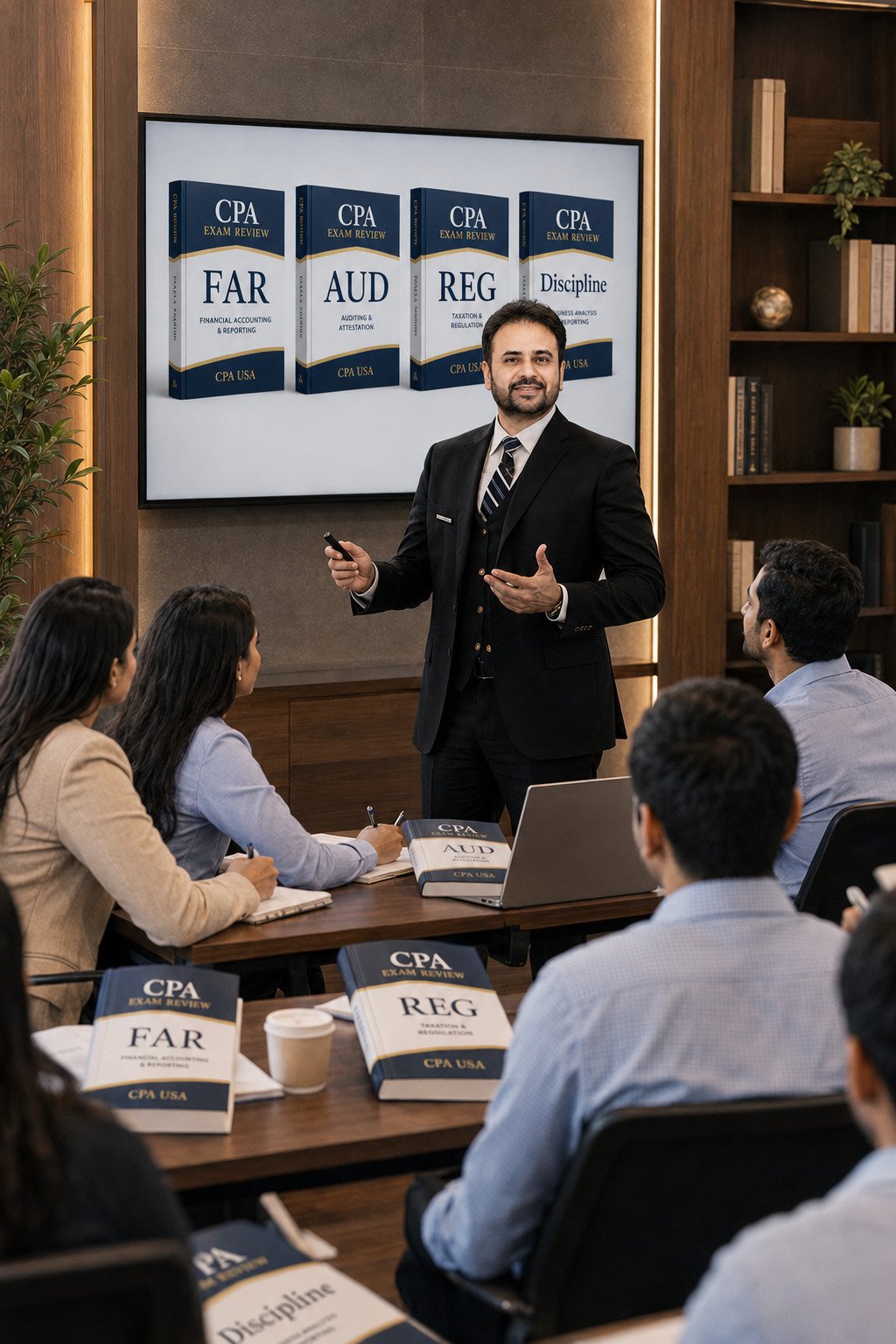
Prepare for CPA USA with Musa Shaikh through structured instructor-led video lectures, practical concept explanations, exam-focused teaching, practice questions, task-based simulations, mock examinations, and comprehensive academic support designed to help candidates prepare confidently for every section of the Uniform CPA Examination.
Begin your CPA USA with Musa Shaikh journey through a structured, instructor-led preparation program aligned with the Uniform CPA Examination. First, the course prepares candidates for the three Core sections: Auditing and Attestation (AUD), Financial Accounting and Reporting (FAR), and Taxation and Regulation (REG). Subsequently, candidates prepare for one selected Discipline: Business Analysis and Reporting (BAR), Information Systems and Controls (ISC), or Tax Compliance and Planning (TCP).
Depending on the selected learning package, candidates may receive recorded video lectures, live batch training, or personalized one-to-one coaching from Musa Shaikh. Additionally, CPA USA with Musa Shaikh provides practical concept explanations, exam-focused guidance, practice questions, task-based simulations, mock examinations, and dedicated academic support. Moreover, the program emphasizes both technical understanding and practical application of CPA concepts. Consequently, candidates can strengthen their knowledge, improve examination readiness, and approach each examination section with greater confidence.
However, this preparation course does not award a Certified Public Accountant license. Instead, CPA licensure is granted by the relevant U.S. Board of Accountancy. Therefore, candidates must satisfy the education, examination, ethics, and professional experience requirements established by their selected licensing jurisdiction. Finally, candidates should verify the applicable licensing requirements with their chosen Board of Accountancy before applying for CPA licensure.
The Uniform CPA Examination is developed and scored by AICPA with support from NASBA and U.S. Boards of Accountancy. CPA licenses are issued by the Boards of Accountancy across 55 U.S. jurisdictions. CPA Exam partners
AICPA has a major U.S. office in Durham, North Carolina, while NASBA is headquartered in Nashville, Tennessee.
AICPA & CIMA serves approximately 580,000 members, candidates, and registrants across 150 countries and territories. NASBA represents the 55 U.S. Boards of Accountancy. AICPA & CIMA overview
AICPA was founded in 1887, while NASBA was established in 1908.
AICPA is committed to advancing the accounting and finance profession by strengthening professional knowledge, promoting public trust, expanding career opportunities, and supporting long-term prosperity. Meanwhile, NASBA works to enhance the effectiveness of U.S. Boards of Accountancy by promoting consistent regulatory standards, supporting licensing excellence, and protecting the public interest. Together, AICPA and NASBA play a central role in maintaining the quality, integrity, and global recognition of the CPA profession.
Candidates should select a jurisdiction and obtain an official academic evaluation before applying. Check CPA Exam requirements by jurisdiction
CPA USA with Musa Shaikh follows the current Core and Discipline examination model. Candidates must pass three compulsory Core sections and select one Discipline section, completing four examination sections in total. Musa Shaikh provides structured video lectures, detailed explanations, practice guidance, and exam-focused support across the selected sections. View the current CPA Exam Blueprints
Through structured video lectures and exam-focused guidance from Musa Shaikh, candidates develop auditing and attestation knowledge covering ethics, professional responsibilities, engagement planning, risk assessment, internal controls, audit evidence, documentation, conclusions, and reporting.
15–25% Ethics, Professional Responsibilities and General Principles
25–35% Assessing Risk and Developing a Planned Response
30–40% Performing Further Procedures and Obtaining Evidence
10–20% Forming Conclusions and Reporting
Through structured video lectures and exam-focused guidance from Musa Shaikh, candidates develop expertise in financial reporting under U.S. GAAP. This section covers financial statements, balance-sheet accounts, financial transactions, accounting adjustments, and not-for-profit entities.
30–40% Financial Reporting
30–40% Select Balance Sheet Accounts
25–35% Select Transactions
Through structured video lectures and exam-focused guidance from Musa Shaikh, candidates develop knowledge of U.S. federal taxation, business law, ethics, and professional responsibilities. The section covers tax procedures, property transactions, individual taxation, entity taxation, and tax-return preparation.
10–20% Ethics, Professional Responsibilities and Federal Tax Procedures
15–25% Business Law
5–15% Federal Taxation of Property Transactions
22–32% Federal Taxation of Individuals
23–33% Federal Taxation of Entities, Including Tax Preparation
Through structured video lectures and exam-focused guidance from Musa Shaikh, candidates develop expertise in business analysis, financial and operational performance, advanced technical accounting, data interpretation, and government reporting.
40–50% Business Analysis
35–45% Technical Accounting and Reporting
10–20% State and Local Governments
Through structured video lectures and exam-focused guidance from Musa Shaikh, candidates develop expertise in information systems, data management, IT controls, cybersecurity, privacy, business processes, and System and Organization Controls engagements.
35–45% Information Systems and Data Management
35–45% Security, Confidentiality and Privacy
15–25% Considerations for System and Organization Controls (SOC) Engagements
Through structured video lectures and exam-focused guidance from Musa Shaikh, candidates develop advanced expertise in U.S. tax compliance, individual and entity tax planning, personal financial planning, and the taxation of property transactions.
30–40% Individual Tax Compliance, Planning and Personal Financial Planning
30–40% Entity Tax Compliance
10–20% Entity Tax Planning
10–20% Property Transactions and Disposition of Assets
The CPA USA lecture plan includes three compulsory Core sections and one Discipline section selected by the candidate. Musa Shaikh delivers each unit through structured lectures, practical examples, exam-quality questions, task-based simulations, and exam-focused guidance.
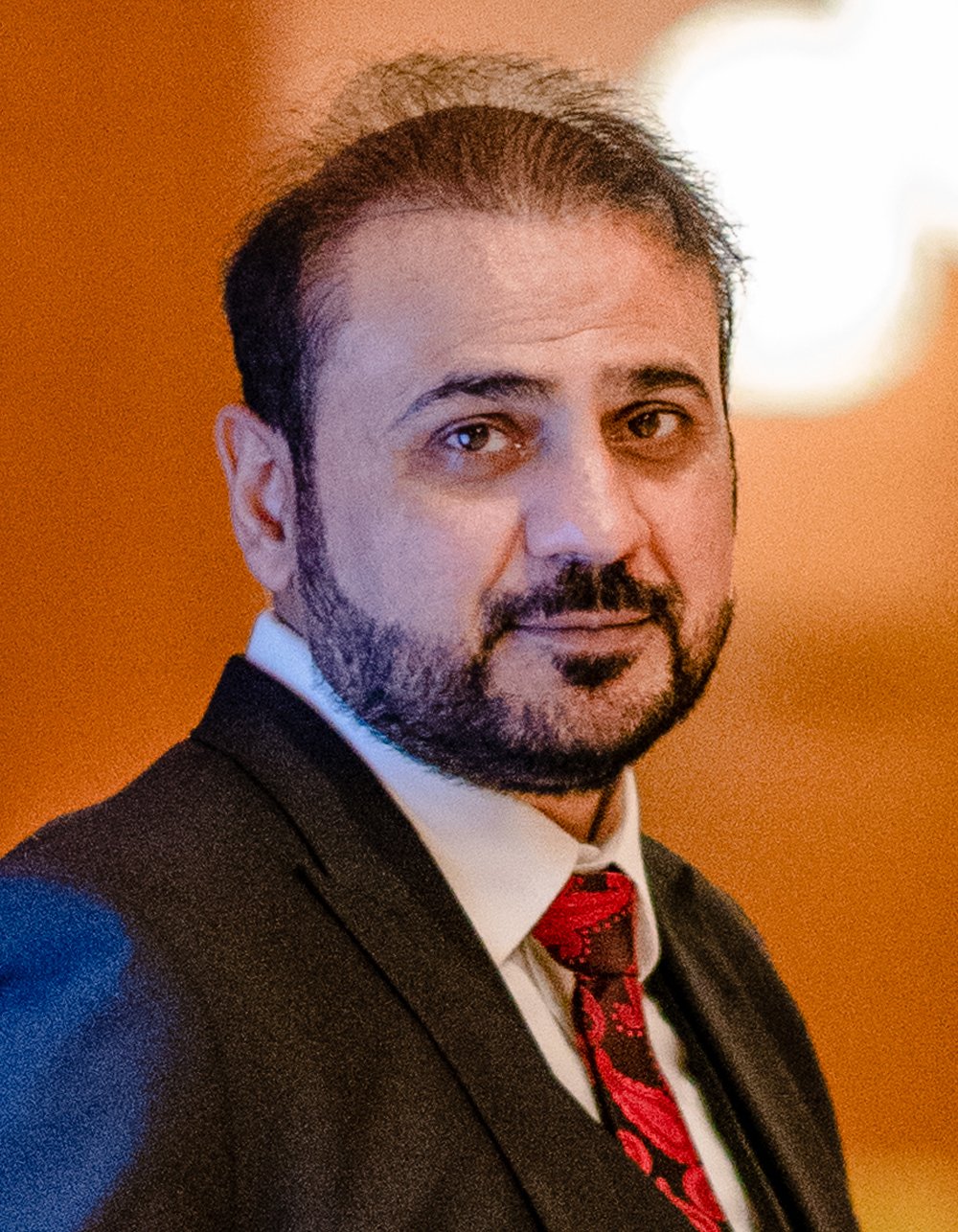
An internationally recognized academic and executive educator known for his impact on professional development, higher education, and leadership training across the UAE, Saudi Arabia, the UK, and the USA. With a distinguished career in academia and industry, he has taught and mentored thousands of students and executives, shaping future financial leaders and decision-makers.
Berkeley offers expertly developed learning materials tailored to meet participants' needs, ensuring comprehensive coverage of the syllabus and optimal exam preparation.
‣ Tailored Material: Guides are designed to cover the entire syllabus, offering full preparation and deep understanding.
‣ In-Depth Content: Unlike superficial outlines, our materials provide fully developed theories and concepts, equipping participants with complete knowledge.
‣ Strategic Study: We help participants prioritize study time by indicating the weight of each topic, allowing efficient focus on crucial areas.
‣ Difficulty Levels: Topics are labeled as "Awareness" or "Proficiency," guiding participants to allocate time based on the required depth of knowledge.
‣ Comprehensive Coverage: Our materials include detailed theory and a glossary of technical terms to clarify complex concepts.
‣ Effective Learning Techniques: Visual aids and memorization techniques ensure long-lasting retention, helping candidates succeed.
Berkeley’s methodologies equip participants with the essential knowledge and tools for both exams and future success.
Our lecture plan integrates structured learning with interactive teaching methods, promoting engagement and collaboration. In addition, this approach ensures a comprehensive understanding of concepts, fostering critical thinking and practical application in real-world scenarios
Practice sessions offer hands-on experience through guided exercises, enhancing skills and reinforcing knowledge. Moreover, this practical approach ensures mastery of concepts, promoting confidence and competence in real-world applications
Mock examinations simulate real test conditions, providing valuable practice and assessment. In addition, this helps identify strengths and weaknesses, ensuring thorough preparation and boosting confidence for actual exams
Evaluates and ensure the quality of the training program and all its deliverables. This is measured through the following indicators:
‣ Instructors' experience and style in presenting and explaining topics.
‣ Variety and balance of teaching methods (such as discussions, case studies, mock exams and videos) used in the course to ensure retention and to match the learning objectives.
‣ Level of interactivity.
‣ Feedback from program participants
‣ Full compliance with Institute standards and guidelines for preparation and study requirements and methodology.
‣ Progress reports from the training program provider.
The following table summarizes the CPA USA with Musa Shaikh examination structure and the preparation areas covered in the course.
| Section | Focus Area |
|---|---|
| Auditing and Attestation (AUD) | Auditing, ethics, risk assessment, internal controls, and professional responsibilities. |
| Financial Accounting and Reporting (FAR) | Financial reporting, accounting standards, governmental and nonprofit accounting. |
| Taxation and Regulation (REG) | Federal taxation, business law, ethics, and professional responsibilities. |
| Business Analysis and Reporting (BAR) | Advanced financial reporting, business analysis, and performance measurement. |
| Information Systems and Controls (ISC) | Information systems, cybersecurity, governance, and internal controls. |
| Tax Compliance and Planning (TCP) | Advanced taxation, tax planning, compliance, and advisory services. |
| Part/Module | Exam format | Exam duration |
|---|---|---|
| Core 1: Auditing and Attestation (AUD) | MCQ: 78 (Score Weighting: 50%) and 7 Task Based Simulations (TBSs) (Score Weighting: 50%) | 4 hours |
| Core 2: Financial Accounting and Reporting (FAR) | MCQ: 50 (Score Weighting: 50%) and 7 Task Based Simulations (TBSs) (Score Weighting: 50%) | 4 hours |
| Core 3: Taxation and Regulation (REG) | MCQ: 72 (Score Weighting: 50%) and 8 Task Based Simulations (TBSs) (Score Weighting: 50%) | 4 hours |
| Optional 1: Business Analysis and Reporting (BAR) | MCQ: 50 (Score Weighting: 50%) and 7 Task Based Simulations (TBSs) (Score Weighting: 50%) | 4 hours |
| Optional 2: Information Systems and Controls (ISC) | MCQ: 82 (Score Weighting: 60%) and 6 Task Based Simulations (TBSs) (Score Weighting: 40%) | 4 hours |
| Optional 3: Tax Compliance and Planning (TCP) | MCQ: 68 (Score Weighting: 50%) and 7 Task Based Simulations (TBSs) (Score Weighting: 50%) | 4 hours |
| Core Subjects (AUD, FAR, REG) | Optional/ Discipline Subjects (BAR, ISC, TCP) |
| Jan 10 – Mar 26 | Jan 10 – Feb 6 |
| Apr 1 – Jun 25 | Apr 20 – May 19 |
| Jul 1 – Sep 25 | July 1 – 31 |
| Oct 1 – Dec 26 | Oct 1 – 31 |
To pass each section of the CPA USA with Musa Shaikh exam, you must score at least 75 on a scale of 0 to 99.
The CPA USA exam is available at select Prometric testing centers worldwide, providing convenience for international candidates who do not need to travel to the United States. Key international testing locations include:
All 4 Exam Sections
All 4 Exam Sections
1 Exam Section
“As a strong advocate for education and human development, I commend Berkeley for its exceptional commitment to empowering future leaders. The institution stands as a symbol of excellence, innovation, and opportunity. Students who walk its halls are nurtured with knowledge, values, and vision—qualities that contribute to building a stronger and more prosperous future for our nation.”- H.H. Shaikh Khalifa Al Hamid
Alumni Benefits
‣ Exclusive Networking Events: Access invitations to industry-leading events and thought-leadership gatherings featuring renowned speakers.
‣ Monthly Updates: Stay informed with a newsletter highlighting the latest research, events, and activities from the school.
‣ LinkedIn Community Access: Join the Executive Education LinkedIn group for networking and professional development opportunities.
‣ Educational Discounts: Enjoy a 20% discount on open-enrollment programs and access to workshops focused on emerging trends.
‣ Global Alumni Network: Connect with a diverse alumni community through the Berkeley School’s online network and engage in country and interest groups.
Globally, Certified Public Accountants (CPAs) typically earn significantly more than their non-certified counterparts, with variations based on region and experience. Here are key statistics:
United States: CPAs earn approximately 10-15% more than non-CPAs. Entry-level CPAs earn between $66,000 and $84,000, whereas non-CPAs in similar positions earn around $50,000 to $60,000.
Middle East: In countries such as the UAE and Saudi Arabia, CPAs can earn 15-25% more than non-certified accountants. For example, a CPA in Dubai may earn about AED 300,000 annually compared to AED 200,000 to 250,000 for non-CPAs.
Asia: In financial centers like Hong Kong and Singapore, CPAs earn between $80,000 and $120,000, while non-CPAs earn between $50,000 and $80,000. This reflects a 20-30% salary advantage for CPAs.
Europe: In the UK, CPAs generally earn around 15% more than their non-certified peers, with entry-level salaries ranging from $55,000 to $80,000, and experienced CPAs earning up to $110,000.
Australia: CPAs can earn between AUD 100,000 and 130,000 (approximately $65,000 to $84,000), with senior CPAs earning even higher salaries.
Select an eligible U.S. Board of Accountancy jurisdiction and confirm examination eligibility → Enroll in CPA USA with Musa Shaikh → Prepare for the Uniform CPA Examination through structured instructor-led learning, practice questions, task-based simulations, and mock examinations → Successfully pass the three Core sections (AUD, FAR, and REG) and one selected Discipline (BAR, ISC, or TCP) → Meet the applicable jurisdiction's education, ethics, professional experience, and licensing requirements → Obtain the Certified Public Accountant (CPA) license from the relevant U.S. Board of Accountancy → Progress into careers in auditing, taxation, financial reporting, compliance, advisory, forensic accounting, corporate finance, and consulting → Advance into senior positions such as Senior Auditor, Audit Manager, Tax Manager, Financial Controller, Finance Director, Assurance Partner, Managing Partner, or Chief Financial Officer (CFO).
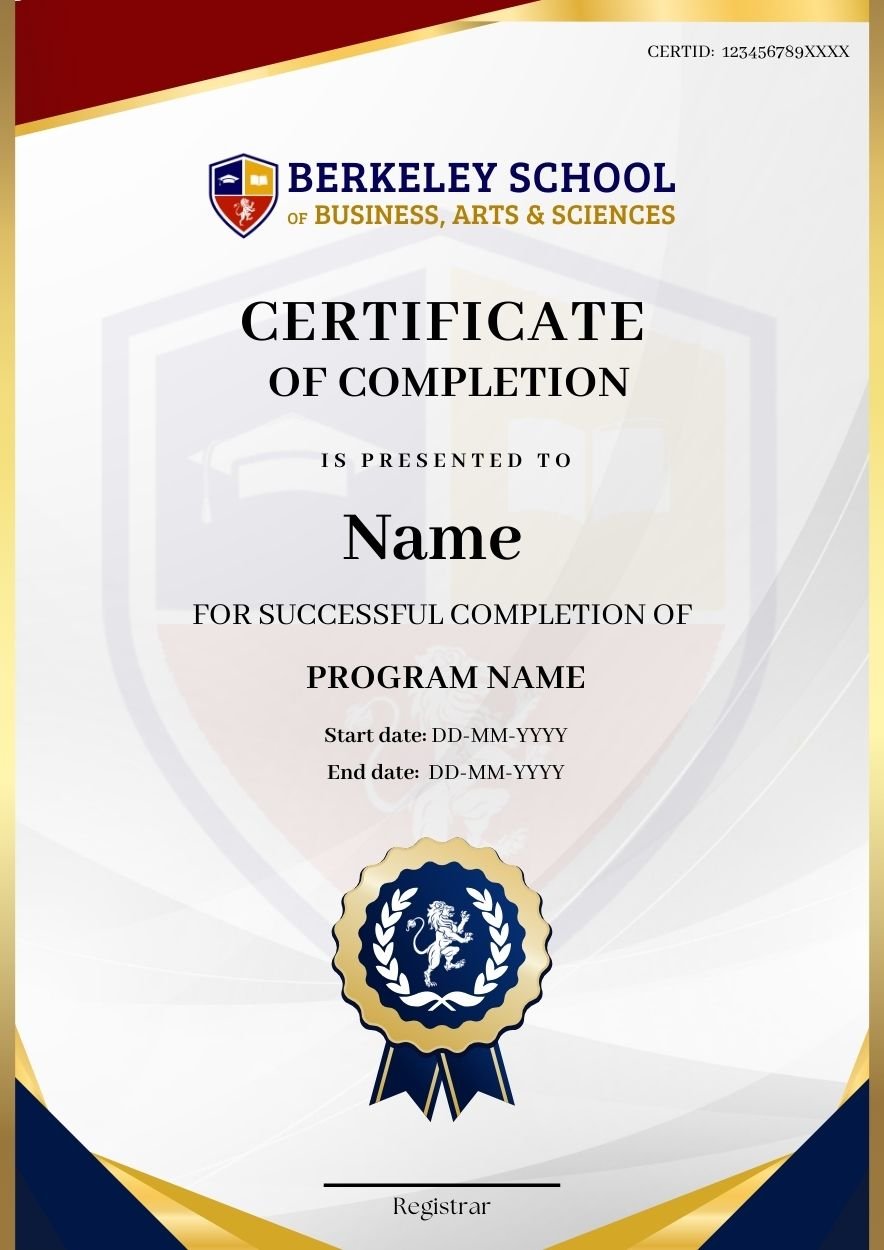
You will get a certificate of completion, which is highly reputed and accepted by employers.
Develop the expertise needed for opportunities in auditing, taxation, financial reporting, compliance, advisory services, and senior finance leadership.
Build an understanding of professional standards, ethics, internal controls, reporting requirements, and regulatory compliance.
Benefit from Musa Shaikh’s video lectures, academic guidance, practice questions, task-based simulations, mock examinations, and structured study resources.
Study accounting, auditing, U.S. taxation, business law, information systems, and specialist Discipline content through structured teaching from Musa Shaikh.
Contact Us