Acquire the Certified Internal Auditor (CIA) designation through the CIA Challenge Exam, a streamlined pathway designed for qualified professionals. Depending on your existing credentials or experience, you may be eligible through one of three routes: CPA/CA holders, ACCA or CISA holders, or professionals with 10+ years of internal audit (or related) experience.
Acquire the Certified Internal Auditor (CIA) designation through the CIA Challenge Exam, a streamlined pathway designed for qualified professionals. Depending on your existing credentials or experience, you may be eligible through one of three routes: CPA/CA holders, ACCA or CISA holders, or professionals with 10+ years of internal audit (or related) experience. Applications open on 1 April 2026 (with the professional pathway remaining open until 30 September 2026 as part of a pilot). The challenge exam consists of a single multiple-choice test with 150 questions and a duration of 180 minutes, focusing only on content not already covered in your prior qualifications. This efficient approach helps you earn the CIA designation faster while saving both time and cost.
The Certified Internal Auditor (CIA) designation, conferred by The Institute of Internal Auditors (IIA), is the premier global certification for internal audit professionals. Recognized as the standard of excellence in the field, the CIA credential demonstrates proficiency in internal audit practices. It focuses on skills essential to auditing processes, risk assessment, governance, and compliance within organizations. With a rigorous curriculum covering critical areas such as auditing processes, ethics, and business analysis, the CIA certification equips professionals to provide valuable insights and assurance to organizations.
The Institute of Internal Auditors (IIA)
Lake Mary, Florida, USA.
Globally, The IIA has more than 245,000 members.
Vision: To be the global voice of the internal audit profession, advocating for excellence, professionalism, and respect in the field.
Mission: To provide dynamic leadership for the internal audit profession by promoting best practices, offering valuable certifications, advocating for the profession, and providing educational and networking resources.
The exam is available to members of the following qualified bodies with CISA, ACCA, CA, CPA.
|
|
Turn your 10+ years of experience into a globally recognized CIA credential, fast-track your certification today through this exclusive one-exam pathway.
The CIA Challenge Exam typically consists of one comprehensive exam that covers all three sections of the traditional CIA exam. Below is the breakdown of the exam's main topics, reflecting the full scope of internal auditing:
This section introduces the foundational principles, standards, and professional responsibilities of internal auditing. Candidates develop an understanding of the International Professional Practices Framework (IPPF), ethical responsibilities, organizational governance, risk management principles, and the role of internal audit in improving organizational effectiveness and compliance.
Purpose of Internal Auditing
International Professional Practices Framework (IPPF)
Internal Audit Charter and Responsibilities
Ethics and Professionalism
Organizational Governance Principles
This module explains how internal audit functions are managed within organizations in alignment with IIA standards and governance expectations. Candidates learn audit planning methodologies, resource allocation, engagement supervision, quality management procedures, and performance monitoring techniques used in modern internal audit environments.
Internal Audit Strategy and Planning
Engagement Resource Management
Audit Policies and Procedures
Quality Assurance and Improvement Programs
Performance Metrics and Reporting
This module examines the operational management of the internal audit function within modern organizations. Candidates develop expertise in audit methodologies, internal audit governance, resource allocation, performance management, operational coordination, and strategic alignment with organizational objectives. The module emphasizes efficient audit execution, stakeholder communication, and continuous improvement of internal audit activities.
Internal Audit Governance and Operational Structure
Planning, Organizing, and Directing Audit Activities
Resource Management and Audit Performance Metrics
Communication and Stakeholder Coordination
Continuous Improvement in Audit Operations
Berkeley offers expertly developed learning materials tailored to meet participants' needs, ensuring comprehensive coverage of the syllabus and optimal exam preparation.
‣ Tailored Material: Guides are designed to cover the entire syllabus, offering full preparation and deep understanding.
‣ In-Depth Content: Unlike superficial outlines, our materials provide fully developed theories and concepts, equipping participants with complete knowledge.
‣ Strategic Study: We help participants prioritize study time by indicating the weight of each topic, allowing efficient focus on crucial areas.
‣ Difficulty Levels: Topics are labeled as "Awareness" or "Proficiency," guiding participants to allocate time based on the required depth of knowledge.
‣ Comprehensive Coverage: Our materials include detailed theory and a glossary of technical terms to clarify complex concepts.
‣ Effective Learning Techniques: Visual aids and memorization techniques ensure long-lasting retention, helping candidates succeed.
Berkeley’s methodologies equip participants with the essential knowledge and tools for both exams and future success.
Our lecture plan integrates structured learning with interactive teaching methods, promoting engagement and collaboration. This approach ensures a comprehensive understanding of concepts, fostering critical thinking and practical application in real-world scenarios.
Practice sessions offer hands-on experience through guided exercises, enhancing skills and reinforcing knowledge. This practical approach ensures mastery of concepts, promoting confidence and competence in real-world applications.
Mock examinations simulate real test conditions, providing valuable practice and assessment. This helps identify strengths and weaknesses, ensuring thorough preparation and boosting confidence for actual exams.
Evaluates and ensure the quality of the training program and all its deliverables. This is measured through the following indicators:
‣ Instructors' experience and style in presenting and explaining topics.
‣ Variety and balance of teaching methods (such as discussions, case studies, mock exams, and videos) used in the course to ensure retention and to match the learning objectives.
‣ Level of interactivity.
‣ Feedback from program participants.
‣ Full compliance with Institute standards and guidelines for preparation and study requirements and methodology.
‣ Progress reports from the training program provider.
Exam Format: • 150 MCQs • CBT (Computer Based Testing)
Exam Duration: 3 Hours
The CIA examinations are administered through Pearson VUE’s global network of authorized testing centers. Candidates may select testing centers across multiple countries and regions based on scheduling availability. Pearson VUE provides secure computer-based testing environments for all CIA examinations worldwide.
Ideal for disciplined learners who prefer flexibility
Learn from expert instructors in real-time
Personalized, intensive learning experience
“As a strong advocate for education and human development, I commend Berkeley for its exceptional commitment to empowering future leaders. The institution stands as a symbol of excellence, innovation, and opportunity. Students who walk its halls are nurtured with knowledge, values, and vision, qualities that contribute to building a stronger and more prosperous future for our nation.”- H.H. Shaikh Khalifa Al Hamid
‣ Exclusive Networking Events: Access invitations to industry-leading events and thought-leadership gatherings featuring renowned speakers.
‣ Monthly Updates: Stay informed with a newsletter highlighting the latest research, events, and activities from the school.
‣ LinkedIn Community Access: Join the Executive Education LinkedIn group for networking and professional development opportunities.
‣ Educational Discounts: Enjoy a 20% discount on open-enrollment programs and access to workshops focused on emerging trends.
‣ Global Alumni Network: Connect with a diverse alumni community through the Berkeley School’s online network and engage in country and interest groups.
Here’s a concise breakdown of CIA-certified salaries by region compared to non-certified auditors:
North America: CIAs earn around 25% more than non-CIAs, with salaries ranging from $80,000 to $120,000, driven by high demand in finance and compliance roles.
Middle East (UAE, Saudi Arabia): In financial centers like Dubai and Riyadh, CIAs earn 15-20% more than non-CIAs, with annual salaries between $70,000 and $100,000 due to the growing focus on compliance and governance.
Europe: CIAs see about a 20% salary premium, especially in cities like London and Frankfurt, with typical salaries from €60,000 to €90,000 reflecting the strong demand for regulatory expertise.
Asia (India, Singapore): Certified auditors in Asia earn up to 20% more. For example, in Singapore, CIAs can earn SGD 70,000–100,000, while in India, CIAs may reach INR 1,200,000, reflecting the need for global standards in auditing.
Africa and Latin America: CIAs in these regions generally earn 10-15% more than non-CIAs. In developing markets, certified auditors are valued for strengthening internal controls and managing organizational risk.
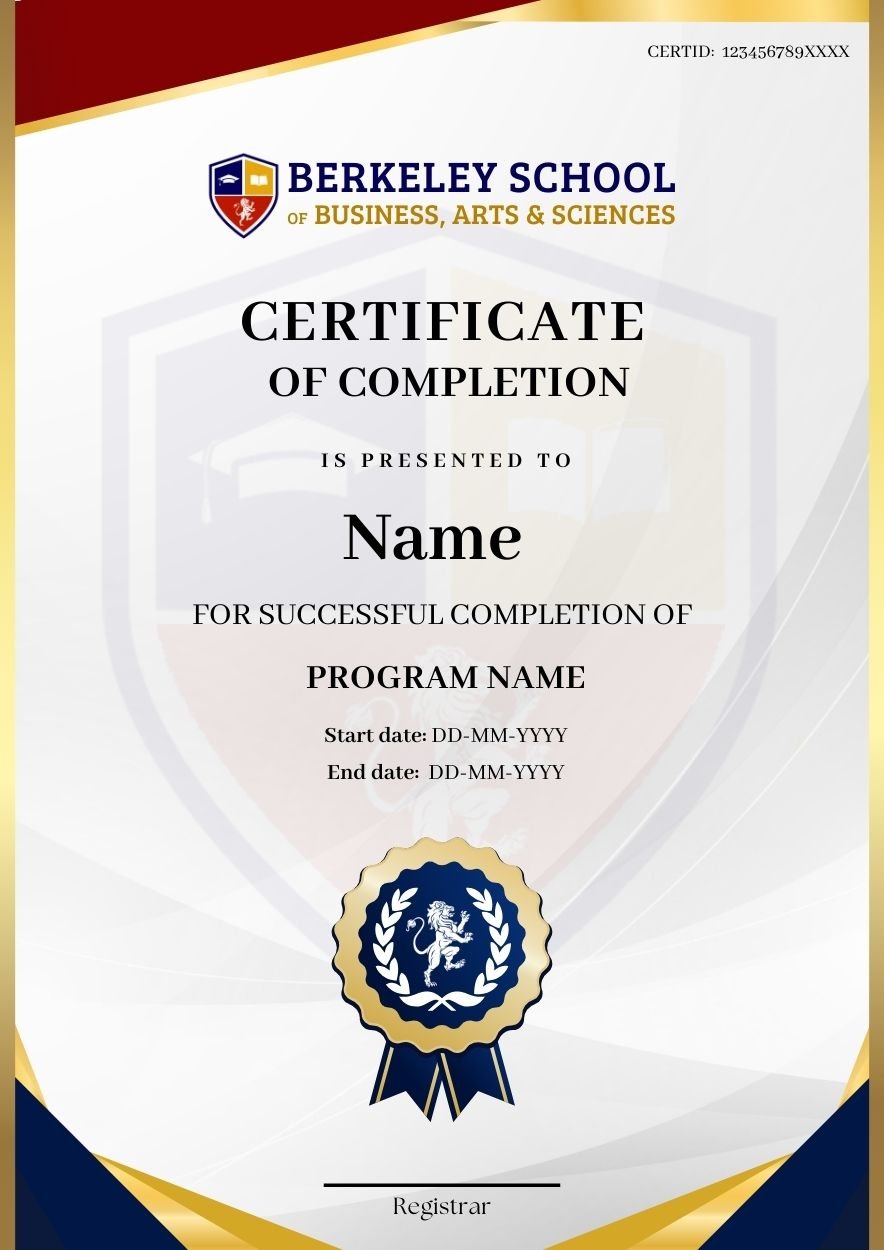
You will get a certificate of completion, which is highly reputed and accepted by employers.