The Certificate in KYC and CDD (Know Your Customer and Customer Due Diligence) is a globally recognized qualification designed for individuals working in, or aspiring to work in, anti-money laundering (AML), compliance, risk management, and financial crime prevention roles.
International Compliance Association (ICA)
United Kingdom
Total Members 20,000+ in 160+ countries
Vision: The vision of the ICA Certificate in KYC and CDD is to cultivate a global standard of excellence in customer due diligence by empowering professionals with the essential knowledge and practical skills needed to prevent financial crime. The program aspires to build a community of ethical, well-informed individuals who can protect the integrity of the financial system through effective KYC and CDD practices.
Mission: The mission of this certificate is to deliver a foundational, yet comprehensive, qualification that enhances professionals’ understanding of key KYC and CDD concepts and their importance in regulatory compliance. It aims to equip learners with the tools to identify, assess, and manage customer-related risks while supporting international efforts to combat money laundering and terrorist financing. By combining practical insights with global best practices, the course fosters a culture of compliance and ethical responsibility, encouraging continuous professional development and contributing to the wider goal of financial crime prevention.
The eligibility criteria are intentionally broad to encourage participation from both newcomers and those already working in financial crime compliance roles.
The certificate focuses on foundational knowledge of KYC and CDD processes.
Introduces the fundamentals of KYC, CDD, and their role in preventing financial crime. It covers the global regulatory landscape, highlighting key compliance standards and frameworks. The day also focuses on understanding different types of customers and how to apply a risk-based approach to due diligence, forming the foundation for effective compliance practices.
Focuses on key practical elements of customer due diligence. It begins with Customer Identification and Verification (ID&V), outlining the methods and documentation required to verify customer identities. The session then explores the types of due diligence: Simplified (SDD), Standard (CDD), and Enhanced (EDD), and when each should be applied. The day concludes with a detailed look at Politically Exposed Persons (PEPs) and other high-risk clients, emphasizing the heightened scrutiny and additional checks required for these customer categories.
Covers essential post-onboarding compliance activities. It begins with ongoing monitoring and customer reviews, highlighting the importance of regularly updating customer information and tracking transactional behavior. The session then addresses how to identify suspicious activity and outlines the procedures for reporting obligations, including internal escalation and filing suspicious activity reports (SARs). Finally, it covers record keeping and documentation standards, emphasizing regulatory requirements for maintaining accurate and accessible records to support audit trails and compliance reviews.
Concludes with engaging case studies and practical scenarios designed to reinforce learning through real-world examples. Participants analyze typical KYC and CDD challenges faced by financial institutions, applying concepts such as risk assessment, customer verification, and suspicious activity identification. These hands-on exercises help bridge theory with practice, enhancing the learner’s ability to apply compliance principles in everyday professional situations.
Introduction to KYC, CDD & Financial Crime
Regulatory Landscape and Global Compliance Standards
Understanding the Customer and Risk-Based Approach
Customer Identification & Verification (ID&V)
Types of Due Diligence (SDD, CDD, EDD)
Politically Exposed Persons (PEPs) & High-Risk Clients
Ongoing Monitoring and Customer Reviews
Suspicious Activity & Reporting Obligations
Record Keeping and Documentation Standards
Case Studies
Practical Scenarios
Berkeley offers expertly developed learning materials tailored to meet participants' needs, ensuring comprehensive coverage of the syllabus and optimal exam preparation.
‣ Tailored Material: Guides are designed to cover the entire syllabus, offering full preparation and deep understanding.
‣ In-Depth Content: Unlike superficial outlines, our materials provide fully developed theories and concepts, equipping participants with complete knowledge.
‣ Strategic Study: We help participants prioritize study time by indicating the weight of each topic, allowing efficient focus on crucial areas.
‣ Difficulty Levels: Topics are labeled as "Awareness" or "Proficiency," guiding participants to allocate time based on the required depth of knowledge.
‣ Comprehensive Coverage: Our materials include detailed theory and a glossary of technical terms to clarify complex concepts.
‣ Effective Learning Techniques: Visual aids and memorization techniques ensure long-lasting retention, helping candidates succeed.
Berkeley’s methodologies equip participants with the essential knowledge and tools for both exams and future success.
Our lecture plan integrates structured learning with interactive teaching methods, promoting engagement and collaboration. This approach ensures a comprehensive understanding of concepts, fostering critical thinking and practical application in real-world scenarios.
Practice sessions offer hands-on experience through guided exercises, enhancing skills and reinforcing knowledge. This practical approach ensures mastery of concepts, promoting confidence and competence in real-world applications.
Mock examinations simulate real test conditions, providing valuable practice and assessment. This helps identify strengths and weaknesses, ensuring thorough preparation and boosting confidence for actual exams.
Evaluates and ensure the quality of the training program and all its deliverables. This is measured through the following indicators:
‣ Instructors' experience and style in presenting and explaining topics.
‣ Variety and balance of teaching methods (such as discussions, case studies, mock exams and videos) used in the course to ensure retention and to match the learning objectives.
‣ Level of interactivity.
‣ Feedback from program participants
‣ Full compliance with Institute standards and guidelines for preparation and study requirements and methodology.
‣ Progress reports from the training program provider.
Ideal for disciplined learners who prefer flexibility
Learn from expert instructors in real-time
Personalized, intensive learning experience
“As a strong advocate for education and human development, I commend Berkeley for its exceptional commitment to empowering future leaders. The institution stands as a symbol of excellence, innovation, and opportunity. Students who walk its halls are nurtured with knowledge, values, and vision—qualities that contribute to building a stronger and more prosperous future for our nation.”- H.H. Shaikh Khalifa Al Hamid
‣ Exclusive Networking Events: Access invitations to industry-leading events and thought-leadership gatherings featuring renowned speakers.
‣ Monthly Updates: Stay informed with a newsletter highlighting the latest research, events, and activities from the school.
‣ LinkedIn Community Access: Join the Executive Education LinkedIn group for networking and professional development opportunities.
‣ Educational Discounts: Enjoy a 20% discount on open-enrollment programs and access to workshops focused on emerging trends.
‣ Global Alumni Network: Connect with a diverse alumni community through the Berkeley School’s online network and engage in country and interest groups.
While the Certificate in KYC and CDD is an entry-level qualification, it opens the door to well-paying roles in compliance, financial crime prevention, and customer due diligence, especially within banks, fintech companies, and regulatory environments.
Salaries vary depending on experience, job role, location, and company size. Below is a general guide:
| Region | Entry-Level Salary | Senior Roles (6+ Years) |
|---|---|---|
| UAE / GCC | AED 6,000–12,000/month | AED 20,000–35,000+/month |
| UK | £22,000–30,000/year | £50,000–70,000+/year |
| India | ₹3–6 LPA | ₹12–20+ LPA |
| Singapore | SGD 3,000–5,000/month | SGD 8,000–12,000+/month |
| USA | $45,000–60,000/year | $90,000–130,000+/year |
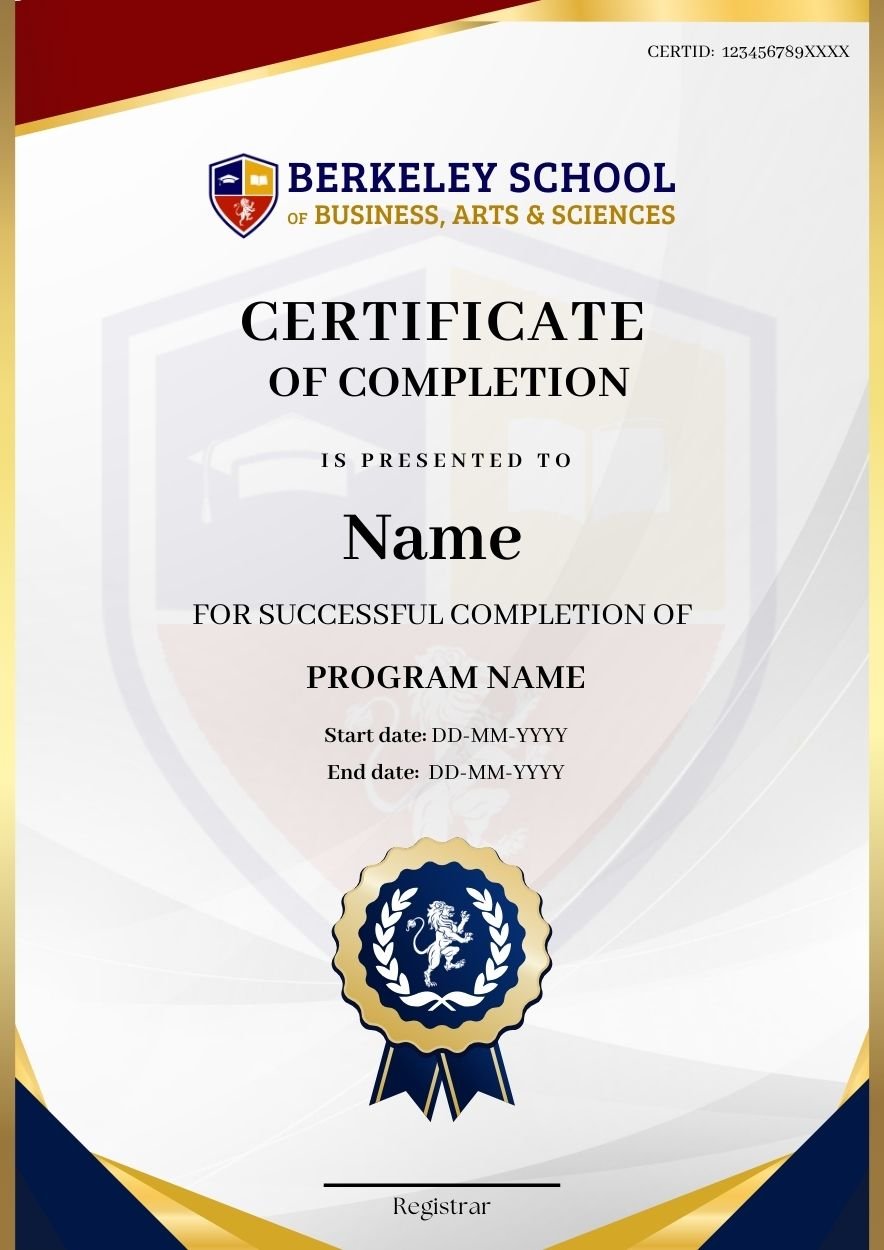
You will get a certificate of completion, which is highly reputed and accepted by employers.
You develop a solid understanding of essential Know Your Customer (KYC) and Customer Due Diligence (CDD) processes, which are critical to preventing financial crime in banks, fintech, and other regulated sectors.
The certificate qualifies you for a range of entry-level compliance and AML roles such as KYC Analyst, Compliance Assistant, or Customer Onboarding Officer, improving your employability in a competitive job market.
As the certificate is awarded by the International Compliance Association (ICA), a globally respected body, it carries weight with employers worldwide, demonstrating your commitment and expertise.
You gain practical knowledge to help organizations comply with anti-money laundering (AML), counter-terrorist financing (CTF), and sanctions regulations, reducing legal and reputational risks.